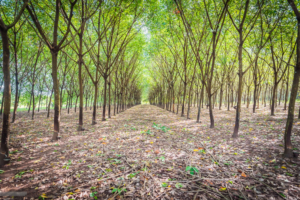
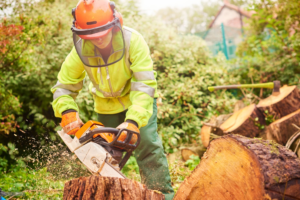
Aurora, Illinois, with its picturesque landscapes and stunning trees, is no stranger to strong winds that can wreak havoc on its natural beauty.
As homeowners and tree enthusiasts, it is crucial to take proactive measures to protect our beloved trees from the damaging effects of high winds.
In this post, we will explore the importance of tree bracing as a reliable solution to safeguarding trees in Aurora from the forces of nature.
- Understanding the Risks of Strong Winds:
Strong winds can pose significant risks to trees.
The force exerted by wind can cause branches to break, trunks to split, or even uproot entire trees.
This not only damages the trees themselves but also puts nearby structures, vehicles, and people at risk.
By being aware of the potential dangers, we can take appropriate action to mitigate them.
- Assessing Tree Health and Stability:
Before considering tree bracing, it is crucial to assess the health and stability of your trees.
Look for signs of weakness, such as leaning trunks, visible cracks or splits, decay, or significant deadwood.
Trees that are already weakened or compromised are more susceptible to wind damage and may require additional support.
- Tree Bracing: Providing Structural Support:
Tree bracing is a technique that involves installing support systems to reinforce a tree’s structure and increase its stability.
Bracing is particularly effective for trees with heavy canopies or those that have experienced damage or structural issues.
It involves securing cables or rods to specific parts of the tree, such as branches or the trunk, to distribute the forces of wind more evenly and reduce the risk of failure.
- Consulting with a Professional Arborist:
Tree bracing is a specialized task that requires expertise and knowledge.
It is crucial to consult with a professional arborist who can assess the specific needs of your trees and recommend the appropriate bracing techniques.
Arborists have the experience and equipment to determine the ideal placement and tension of cables or rods, ensuring the maximum benefit and minimal impact on tree health.
- Other Measures for Wind Protection:
While tree bracing is an effective solution, there are additional measures you can take to protect your trees from strong winds:
- Regular Tree Maintenance:
Proper tree care, including pruning dead or weak branches, enhances a tree’s overall health and reduces vulnerability to wind damage. - Site Selection:
When planting new trees, consider their location in relation to prevailing winds. Planting wind-resistant tree species in sheltered areas or behind structures can provide natural windbreaks. - Mulching and Watering:
Maintain healthy soil conditions by applying mulch around the base of the tree and ensuring proper watering. Healthy roots contribute to a tree’s stability. - Prudent Tree Selection:
When choosing trees for your landscape, consider wind-resistant species that are well-suited to the local climate and wind conditions.
Protecting our trees from the damaging effects of strong winds is essential for preserving their beauty, safety, and environmental benefits.
Tree bracing, in combination with other preventive measures, can significantly reduce the risk of wind-related damage.
Consult with a professional arborist to assess your trees’ needs and implement appropriate bracing techniques.
By investing in tree protection, we can ensure that Aurora’s remarkable trees continue to grace our surroundings for generations to come, even in the face of strong winds.