Pruning is a vital aspect of tree care that helps maintain the health, appearance, and structural integrity of trees.
However, improper pruning practices can cause significant damage and compromise the well-being of your trees.
In this post, we will highlight the pruning dos and don’ts that every Aurora homeowner should be aware of.
By avoiding these common mistakes, you can ensure the longevity and vitality of your trees while enhancing the beauty of your landscape.
- Do Prune at the Right Time:
Timing is crucial when it comes to pruning trees.
It’s best to prune during the dormant season, which is typically late winter or early spring in Aurora.
Pruning during this period minimizes stress on the tree and allows for optimal healing and regrowth.
Avoid pruning during periods of active growth, such as late spring or summer when trees are susceptible to diseases and pests. - Don’t Overprune:
Overpruning, also known as “topping,” is a common mistake that should be avoided.
Topping involves removing a significant portion of the tree’s canopy, resulting in an unnatural and unhealthy appearance.
Topping weakens the tree, makes it more susceptible to diseases and pests, and can lead to rapid, weak regrowth.
Instead, practice selective pruning to remove dead, damaged, or crossing branches while maintaining the tree’s natural shape. - Do Use Proper Pruning Techniques:
Using proper pruning techniques is essential to ensure the health and aesthetics of your trees.
Make clean cuts just outside the branch collar, which is the swollen area at the base of a branch.
Avoid leaving stubs or cutting too close to the trunk, as it can impede the healing process and create entry points for pathogens.
Additionally, use sharp and clean pruning tools to minimize damage and prevent the spread of diseases. - Don’t Prune Too Close to the Trunk:
When pruning branches, it’s important not to make flush cuts that remove the branch collar or leave large wounds.
The branch collar contains specialized cells that aid in wound closure and healing.
By preserving the branch collar, you facilitate the tree’s natural defense mechanisms and promote proper healing. - Do Consider the Tree’s Growth Habits:
Understanding the growth habits of different tree species is crucial for effective pruning.
Some trees, such as conifers, have a dominant central leader and require minimal pruning.
Other trees, like fruit trees or ornamental varieties, may benefit from more frequent and precise pruning to maintain their desired shape and encourage fruit production or vibrant blooms.
Research the specific needs of your tree species or consult an arborist for guidance. - Don’t Prune Too Much at Once:
Avoid the temptation to remove a large portion of the tree’s canopy in a single pruning session.
Removing more than 25% of the foliage at once can stress the tree and weaken its overall health.
Instead, practice gradual and moderate pruning over several seasons to achieve the desired results while minimizing stress on the tree. - Do Seek Professional Help When Necessary:
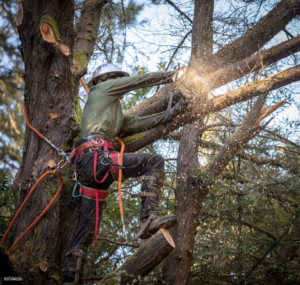
While many pruning tasks can be handled by homeowners, certain situations require the expertise of a professional arborist.
If the tree is large, inaccessible, or poses a safety risk, it’s best to enlist the help of an experienced tree care specialist.
Arborists have the knowledge, skills, and equipment to safely and effectively prune trees while preserving their health and structural integrity.
Conclusion:
Pruning is a crucial aspect of tree care that, when done correctly, contributes to the health and beauty of your trees in Aurora.
By following the pruning dos and avoiding common mistakes, such as pruning at the right time, not overpruning, using proper techniques, considering the tree’s growth habits, and seeking professional help when necessary, you can ensure the longevity and vitality of your trees while enhancing the beauty of your landscape in Aurora.