Pruning is a crucial aspect of tree care that often goes overlooked.
Proper pruning not only enhances the aesthetic appeal of your trees but also promotes their overall health and longevity.
In this post, we will provide you with the essential guidelines and techniques for tree pruning, empowering you to keep your trees healthy, vibrant, and beautiful.
- Understand the Purpose of Pruning:
Before you start pruning your trees, it’s essential to understand the purpose behind this practice.
Pruning serves several important functions, including:
- Removing dead, diseased, or damaged branches.
- Shaping the tree’s structure for better aesthetics and balanced growth.
- Enhancing sunlight penetration and air circulation within the tree’s canopy.
- Reducing the risk of pests and diseases by eliminating potential breeding grounds.
- Encouraging strong, healthy growth and promoting fruit production in fruit-bearing trees.
- Identify the Right Time to Prune:
Timing is crucial when it comes to tree pruning.
The ideal time to prune depends on the tree species and the specific objectives you have in mind.
In general, the best time to prune is during the dormant season, typically late winter or early spring.
Pruning during this period minimizes the stress on the tree and allows it to heal more effectively.
However, certain trees may have specific pruning requirements, so it’s always recommended to research or consult with an arborist for guidance.
- Pruning Techniques:
a. Removing Dead, Diseased, or Damaged Branches:
Start by identifying and removing any dead, diseased, or damaged branches.
Use clean, sharp pruning tools such as pruning shears or loppers to make precise cuts just outside the branch collar.
This helps promote healing and prevents the spread of diseases.
b. Shaping and Thinning:
To enhance the tree’s structure and aesthetics, selectively prune branches that are crossing, rubbing, or growing inward.
Additionally, thinning the canopy by selectively removing some branches allows better light penetration and air circulation.
Maintain a balanced shape while preserving the tree’s natural form.
c. Avoid Over-Pruning:
Over-pruning can be detrimental to tree health.
Avoid removing more than 25% of the tree’s foliage in a single season, as it can stress the tree and impede its ability to produce energy through photosynthesis.
Prune conservatively and aim for gradual improvement over time.
- Safety First:
When pruning trees, safety should be your top priority.
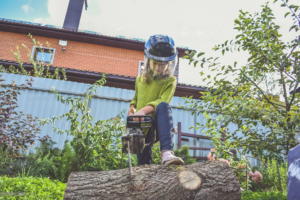
Use appropriate safety gear such as gloves, safety glasses, and a hard hat.
Be cautious of power lines and ensure you have a stable and secure footing.
If the pruning task requires climbing or using a ladder, consider hiring a professional arborist to ensure the job is done safely and effectively.
- Seek Professional Help:
While minor pruning tasks can be tackled by homeowners, certain situations call for professional assistance.
Large trees, trees near power lines, or complex pruning needs should be entrusted to certified arborists.
They have the expertise, experience, and equipment to handle pruning tasks that may pose risks to you or your property.
Conclusion:
Proper tree pruning is a skill that every tree owner should acquire.
By understanding the purpose, timing, and techniques of pruning, you can keep your trees healthy, beautiful, and thriving for years to come.
Remember to approach pruning with care, always prioritizing safety and seeking professional help when necessary.
Embrace the art of pruning and witness the transformation of your trees into stunning natural wonders.